English

 Home
Home Islamabad Hotels
  Car Rental
 Rewards
 Travel Guide
Public Transport in Islamabad: Metro, Taxis & Ride-Sharing Guide

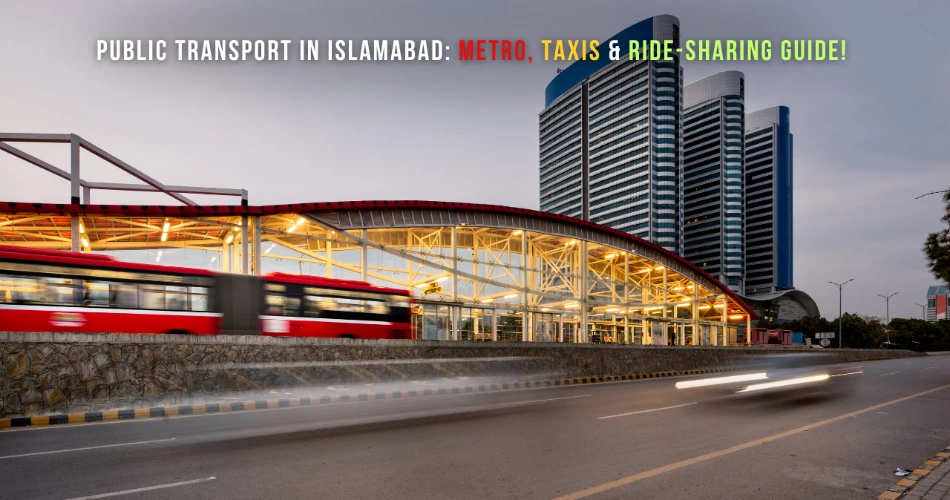
Islamabad, the capital of Pakistan, is known for its well-planned infrastructure, lush green spaces, and a mix of modern and traditional transportation. Whether you are a resident commuting to work or a visitor exploring the city, understanding Islamabad’s public transport system is essential. From the efficient Metrobus system to local buses, ride-sharing services, and taxis, the city offers multiple ways to get around.
Despite having an extensive transport network, commuters often face challenges such as traffic congestion and limited parking facilities. However, with a little planning, navigating Islamabad can be a smooth experience. This guide provides an in-depth look at the city’s public transport options, helping you choose the best mode for your travel needs.
Islamabad Metrobus: The City’s Rapid Transit System
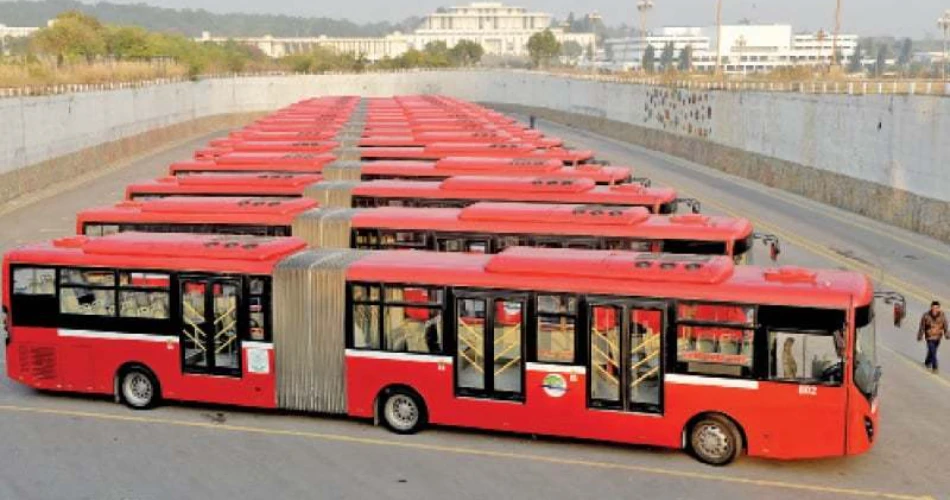
The Islamabad Metrobus routes system is one of Islamabad’s most reliable and affordable public transport options. Launched in 2015, it was designed to ease congestion and provide a modern transit service. The Metrobus operates on dedicated lanes, ensuring uninterrupted travel for thousands of passengers daily.
With its air-conditioned buses and punctual service, the Metrobus has significantly improved connectivity between key areas of Islamabad and Rawalpindi. The system has multiple stations, allowing commuters to travel seamlessly without worrying about traffic delays. The affordability of the Metrobus makes it a popular choice among students, office workers, and daily travelers.
To use the service, passengers can purchase a Metrobus card, which can be recharged at various stations. This card-based system allows for quick and cashless transactions, making commuting more convenient.
Bus Services in Islamabad
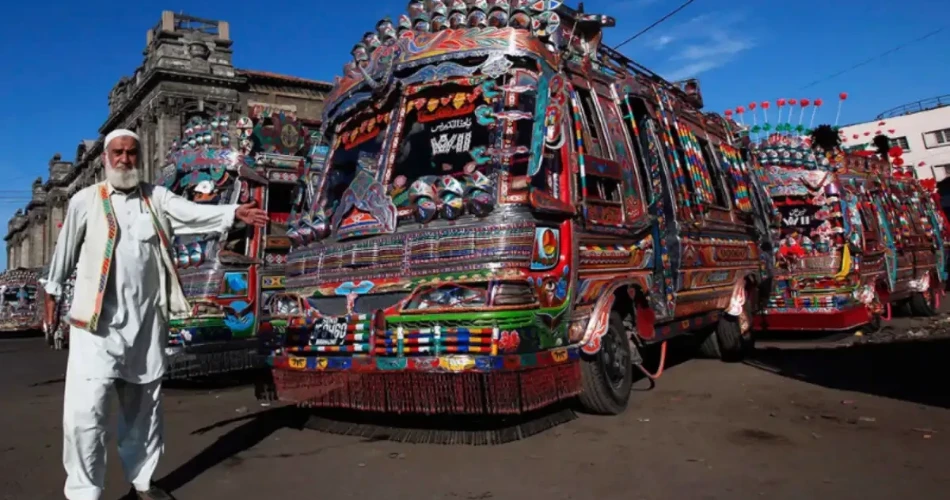
Apart from the Metrobus, Islamabad has a local bus network that serves as a budget-friendly transport option. These buses operate on fixed routes and schedules, connecting different neighborhoods and business districts. They are particularly useful for those who need a low-cost mode of transport for their daily commute.
However, public buses often face issues such as overcrowding and inconsistent service quality. Many older buses lack air-conditioning, making travel uncomfortable during the hot summer months. Additionally, the absence of digital tracking or online schedules makes it difficult for commuters to plan their journeys efficiently. Despite these challenges, local buses remain a vital part of Islamabad’s public transport system due to their affordability and accessibility.
Ride-Sharing Services: A Convenient Alternative
The introduction of ride-sharing services like Careem Islamabad and Uber Islamabad has transformed the way people travel in Islamabad. These app-based services provide a hassle-free and flexible mode of transport. By simply entering pickup and drop-off locations, users can book a ride at any time, avoiding the hassle of waiting for a bus or taxi.
Ride-sharing services are particularly useful for those looking for a comfortable and private travel experience. Unlike public buses, these services allow passengers to travel directly to their destination without multiple stops. Moreover, digital payment options provide a cashless experience, making transactions smooth and secure.
However, surge pricing during peak hours can increase fares significantly, making ride-sharing more expensive than other options. Traffic congestion can also affect travel time, particularly in high-traffic areas. Nevertheless, for those who prioritize convenience, ride-sharing remains one of the most popular ways to get around Islamabad.
Taxis in Islamabad: A Traditional Transport Option

While ride-sharing services have gained popularity, traditional taxis still operate across Islamabad. These taxis can be found at designated stands or hailed from the roadside. Many people still prefer taxis, especially those who do not use ride-hailing apps or need a quick ride without booking in advance.
One of the main advantages of taxis is their availability in areas where public transport services are limited. However, some taxis do not use meters, requiring passengers to negotiate fares before starting their journey. This can sometimes lead to disputes over pricing, making it less convenient compared to ride-sharing services.
Despite these limitations, taxis remain a viable option for those who prefer direct service without the need for internet connectivity. With proper fare negotiation, taxis can provide a straightforward and reliable travel experience in Islamabad.
Traffic Congestion in Islamabad
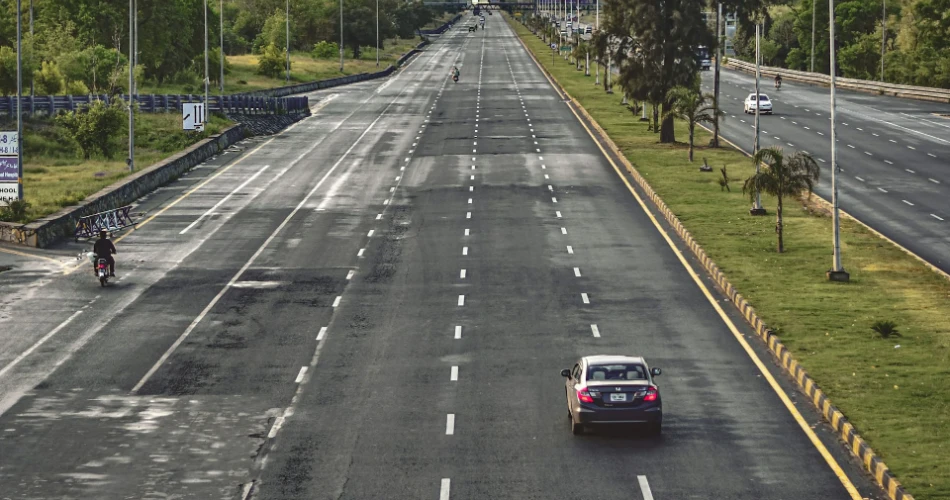
With an increasing number of vehicles on the road, Islamabad has seen a rise in traffic congestion, especially during peak hours. Major commercial areas, educational institutions, and government offices contribute to high traffic volumes, leading to slow-moving vehicles and longer travel times.
Some of the most congested areas in Islamabad include the Central Business District, Blue Area, and major intersections like Zero Point and Faizabad. During rush hours, travel can become frustrating, making public transport options like the Metrobus a more efficient choice. Many commuters opt for ride-sharing services to avoid the stress of driving in heavy traffic.
The government has introduced various traffic management measures, but congestion remains a challenge. To avoid delays, it is advisable to plan travel outside peak hours or use alternative transport modes like cycling in less crowded areas.
Parking Facilities in Islamabad
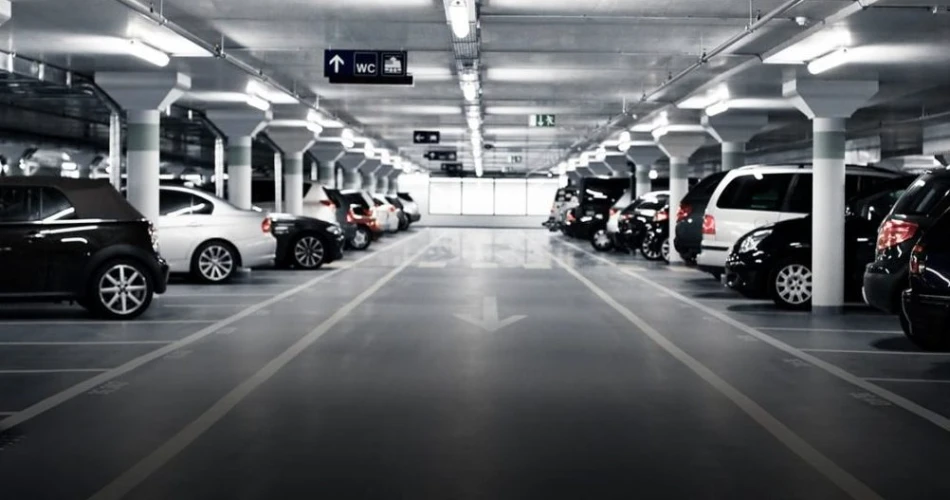
Finding parking in Islamabad, particularly in high-traffic areas, can be difficult. The city has been working on improving parking solutions, but limited space remains a common problem. Commercial zones and popular shopping areas often experience a shortage of parking spots, leading to illegal parking and further traffic congestion.
Paid parking options have been introduced in some locations, but they are still not widespread. As a result, many people prefer to use public transport or ride-sharing services to avoid parking-related hassles. If you do choose to drive in Islamabad, it is best to park in designated areas to avoid fines and inconvenience.
Cycling in Islamabad: A Sustainable Transport Option
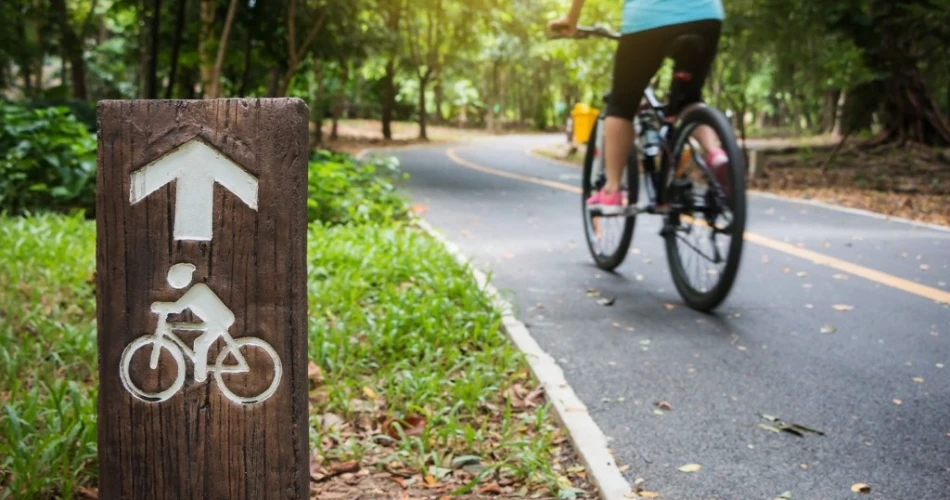
Islamabad is one of the few cities in Pakistan actively promoting cycling as a mode of transport. In recent years, the government has taken steps to improve cycling infrastructure, encouraging residents to adopt eco-friendly commuting options.
The city has developed over 50 kilometers of bike lanes and paths, making cycling safer and more accessible. A bike-sharing program was also introduced in 2019, offering 300 bicycles at 30 docking stations across the city. Additionally, secure bike racks have been installed at various public locations to encourage more people to use bicycles for short commutes.
Cycling not only reduces carbon emissions but also promotes a healthy lifestyle. It is a great alternative for those looking to avoid traffic congestion while contributing to a cleaner environment. With ongoing improvements in cycling infrastructure, Islamabad is gradually becoming a more bike-friendly city.
Islamabad offers a variety of public transport options, catering to different budgets and preferences. The Metrobus provides a fast and affordable way to travel, while local buses remain an economical choice for many commuters. Ride-sharing services like Careem and Uber offer flexibility and comfort, although they can be costly during peak hours. Traditional taxis are still available, providing an alternative for those without access to ride-hailing apps.
Traffic congestion and parking challenges remain issues in the city, but the government is working on improving transport infrastructure. For environmentally conscious travelers, cycling is emerging as a sustainable option, with dedicated bike lanes and a bike-sharing program enhancing accessibility.
By understanding the different transport options available, commuters can make informed decisions and navigate Islamabad efficiently. Whether you prefer the convenience of a ride-sharing app, the affordability of public buses, or the efficiency of the Metrobus, the city offers a variety of ways to get around.
Next post Best Weekend Getaways Near Islamabad for Nature Lovers
Previous Post Solo Travel in Islamabad: Safety Tips & Best Experiences
About Author